Summer Activities for Kids to Prevent Learning Loss This Summer

Discover summer activities for kids that keep them curious and entertained throughout the holidays, with educational ideas and daily routines.
Summer break arrives. Schools close for weeks. Parents suddenly face a challenge. How do you prevent learning loss? How do you stop kids from regressing months in their academic progress? Summer activities for kids go beyond daycare or screen time. Real learning happens when kids barely notice they’re learning. The gap between June and September can shrink considerably with intentional summer activities for kids.
You don’t need expensive programs or rigid schedules. Smart parents weave learning naturally into summer routines. Beach trips teach geography and marine biology. Cooking teaches fractions and chemistry. Travel teaches history and culture. Summer activities for kids work best when they feel like fun rather than school.
8 Best Summer Activities for Kids to Stay Engaged and Keep Learning
Successful summer activities for kids share common threads. They involve curiosity and connect to real life. They produce tangible results. Your child bakes cookies, eats them, plants a garden, and watches it grow. They build something and play with it. These experiences embed learning in ways worksheets never could.
- Reading and Literacy Activities
Reading during the summer is enormously important. Kids who read consistently over the summer maintain their reading level—those who don’t often regress noticeably. Yet summer reading doesn’t mean forcing novels nobody enjoys. Summer activities for kids around literacy can look entirely different.
Let them choose their reading materials. Comics work. Graphic novels count. Sports magazines engage reluctant readers. Cookbooks, comic books, and adventure stories all develop literacy skills. The goal is to maintain reading habits. Genre matters less than consistency. Some kids read independently. Others listen to audiobooks. Both build language and imagination.
- Interactive Literacy Activities
Create literacy activities beyond simple reading. Start a family book club. Everyone reads the same book. Discuss characters, plot, and predictions. Restaurant menus provide practical reading. Kids learn vocabulary naturally. Recipes combine reading with immediate practical results. Grocery shopping becomes a reading adventure. Kids can make lists, find items, and check prices.
Video game instructions provide reading practice. Movie subtitles work too. Travel planning involves reading maps, signs, and destination information. Writing letters to relatives keeps literacy alive. Kids enjoy receiving mail. They’ll write back enthusiastically. Journaling during trips combines writing practice with memory-building.
- Building and Construction Activities
Construction projects develop spatial reasoning and problem-solving. Provide building materials. Blocks, cardboard boxes, recycled containers, and wood scraps. Kids design and build structures. They solve engineering problems independently. Your child’s fort becomes a form of engineering practice. Their solution to keeping it standing? Problem-solving in action.
LEGO provides structured but creative building. Marble runs teach cause-and-effect. Building with blankets and pillows develops spatial reasoning. These simple summer activities for kids deliver impressive cognitive benefits.
- Balancing Structure and Freedom in Summer Learning
Kids need both structure and freedom. Too much structure feels like school again. Kids rebel. Too much freedom? They drift. Learning gaps widen. The sweet spot combines gentle structure with genuine freedom. Perhaps mornings involve intentional learning activities. Afternoons allow free play. Or maybe certain days focus on activities; other days remain completely open.
Developing effective strategies to keep kids learning over the summer requires exactly this balance. Too rigid? Kids resist. Too loose? Learning suffers. The middle ground works beautifully. Some families use weekly planning. They choose one major activity. Perhaps a museum visit, a project or a cooking challenge. They let other days flow naturally.
- Creative and Artistic Activities
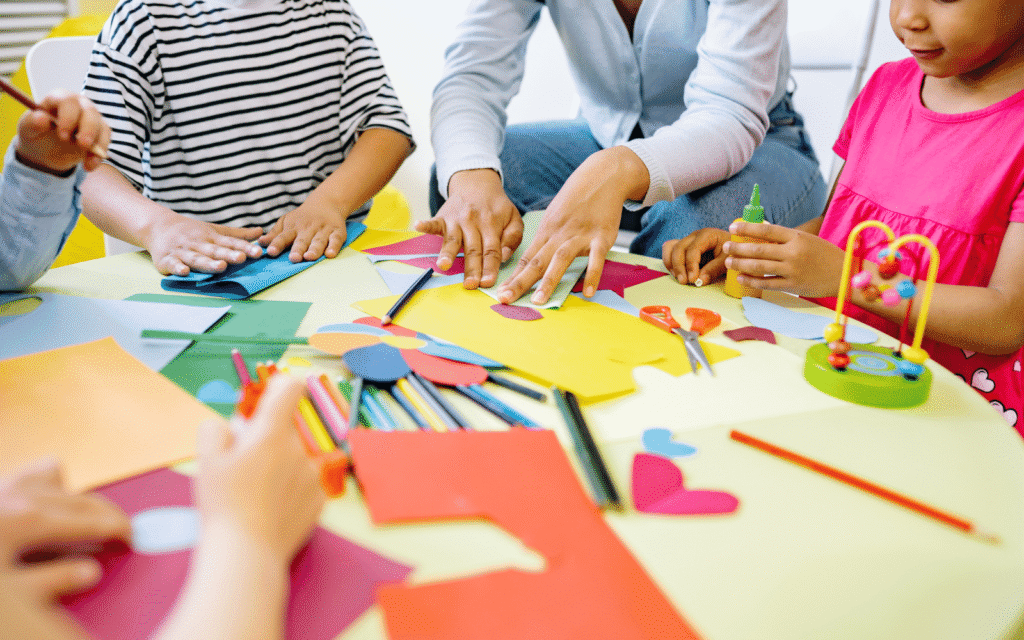
Art projects develop problem-solving, fine motor skills, and creative thinking. Summer art activities for kids can be simple. Simple materials work wonderfully. Kids create masterpieces with basic supplies. Provide markers, paper, recyclables, and paint. Minimal instruction. Maximum creative freedom. You’ll be amazed at what children produce independently.
Photography gives kids a creative outlet and helps them build perspective. Even smartphone cameras work beautifully. Kids document their summer. They photograph captivating details and create photo stories or albums. This naturally combines observation skills with artistic expression.
- Outdoor Exploration Activities for Learning
Nature provides endless learning opportunities. Summer activities for kids in natural settings foster scientific thinking. Go hiking. Observe plants, insects, and wildlife. Collect specimens. Identify species using field guides. Your child becomes a nature detective investigating their environment.
Beach exploration teaches marine biology principles. Kids examine seashells, sand composition, and ocean life. Rock hunting teaches geology. Growing plants teaches botany. These summer activities for kids feel like play. Learning happens as a natural byproduct.
- Hands-On Science Activities
Create simple experiments at home. Volcano eruptions. Crystal growing. Garden experiments. Water exploration. These don’t require expensive equipment. Basic household items work perfectly. Your child learns the scientific method through play. They hypothesise, experiment, and observe the results.
Weather tracking teaches meteorology. Kids record temperatures, precipitation, and cloud types. Over weeks, patterns emerge. Discussion deepens understanding naturally. Cooking and baking involve chemistry. Ingredients transform through heat. Reactions occur. Real chemical understanding develops through tasting results.
- Structured Screen-Free Activities
Summer can become screen-heavy. That’s understandable. Screen time feels easier than engagement. Yet extended screen time reduces summer learning benefits. Alternative summer activities for kids keep kids engaged meaningfully. The key? Offer compelling alternatives to screens consistently.
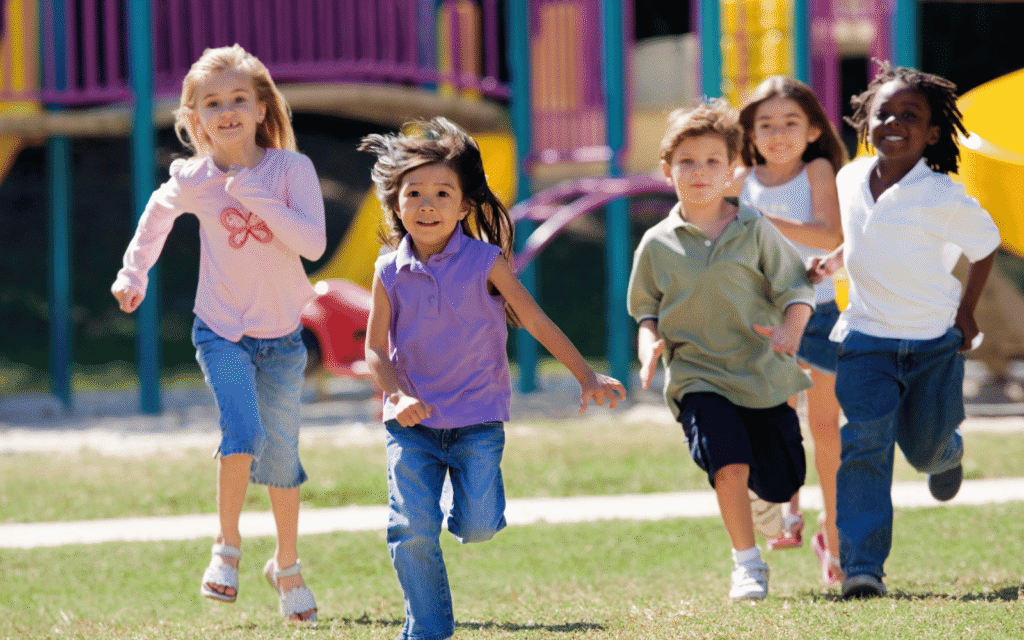
Board games develop strategic thinking and math skills. Many kids love game nights with family. Sports and physical activity keep kids active. Swimming, biking, and skateboarding develop physical skills. Plus, outdoor play inevitably beats indoor screens. Established family traditions around activities help. Kids know what to expect. They participate enthusiastically.
Making It Sustainable With Summer Activities for Kids Long-Term
The best summer activities for kids are ones families actually maintain. Overambitious plans collapse within weeks. Realistic plans succeed over months. Start simple. Build gradually. Perhaps summer begins with basic reading goals. After a month, add one weekly activity. Add another if energy permits.
Track what works. Some summer activities for kids will flop. Others become beloved traditions. Note which activities generated genuine engagement. Which kids loved. These activities created real learning. Build next summer around successes.
Remember this fundamental truth. Kids learn constantly. Summer shouldn’t mean learning stops. Rather, learning should shift. From the classroom setting to the real world. From structured lessons to experiential discovery, assigned work to self-directed exploration.